/ Trade / English
"Bought Overseas" Is Not the Same as "Country of Origin": How to Read Listings and Package Labels
A listing note such as "bought overseas (in China)" tells you where the seller obtained the item, not where it was made. Using the Consumer Affairs Agency's published guidance on country-of-origin labelling and Mercari's guide, this article explains the difference and what buyers can check.
Written by Koetsu Co., Ltd.

On Mercari and Mercari Shops you sometimes see a line such as "This item was bought overseas (in China)." Some buyers read that as "made in China", but it is different information. Based on documents published by Japan's Consumer Affairs Agency and Mercari's own guide, this article explains the difference between where an item was bought and its country of origin, and what buyers can check.
"Bought overseas" tells you where the seller got it
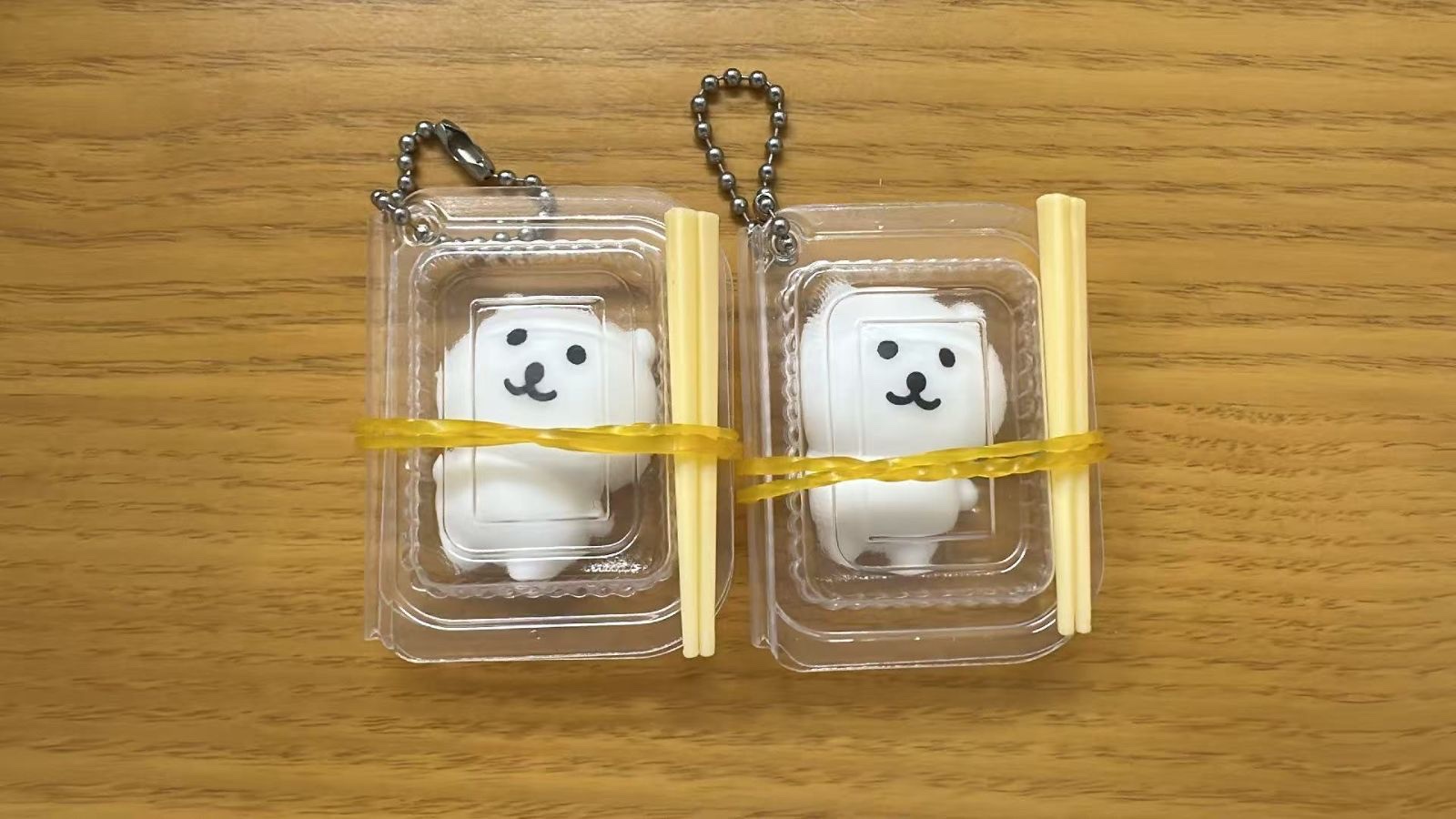
At Loop KOBE on Mercari Shops, one of Koetsu's related shops, the product pages for a maneki-neko mini figure set and a bento bear squishy say "bought overseas (in China)". That line describes how the seller obtained the item: it was purchased in China and brought to Japan.
It does not, by itself, tell you which country's factory made the item. The country of purchase and the country of manufacture may be the same, or they may not.
Country of origin: where the substantial change happened
In Japan, the notice on misleading country-of-origin labelling under the Act against Unjustifiable Premiums and Misleading Representations defines the country of origin as the country where an act bringing about a substantial change to the content of the product took place. The operating standards published by the Consumer Affairs Agency state that attaching labels, putting goods into containers or packaging, simply assembling sets, and assembling simple parts do not count as a substantial change.
Detailed rules exist for some items: for green and black tea it is the production of the crude tea, for socks the knitting, for leather shoes joining the upper to the sole, and for wristwatches assembling the movement. In other words, the country of origin is where the product itself was made, not where it was last boxed or where it was sold.
| Wording | What it tells you | What it does not tell you |
|---|---|---|
| Bought overseas (in China) | The seller obtained it in China | Which country's factory made it |
| "Made in ..." on the box | The country of origin stated by the labeller | Where the seller bought it |
| Packaging only in Chinese or English | It may have been made for that market | The country of origin, or whether it is genuine |
What buyers can check
If the country of origin matters to you, first look for photos of the box, backing card or the back of a tag. Any country or manufacturer marking shown there is a useful clue. If there is none, ask the seller before buying, for example: "Does the box show where it was made?"
Items bought overseas may not come with Japanese labels or instructions. If you want to confirm the age rating or safety notes in Japanese, ask in advance in the same way.
Purchase route and authenticity are separate questions
Mercari's guide prohibits listing counterfeit goods and items that cannot be confirmed as genuine, citing cases such as an unclear purchase route. Saying an item was bought overseas is one piece of information about the purchase route, but it does not by itself guarantee that the item is genuine.
Loop KOBE's product pages do not offer authentication or proof of official licensing. Please ask any questions before buying, and check the item before leaving your receipt rating. If you find a listing you suspect is counterfeit, do not buy it; you can report it to Mercari through the report button on the product page.
Checklist
- Read "bought overseas" as where it was sourced and "country of origin" as where it was made
- Look for a country marking in photos of the box, card or tag
- Ask before buying if none is shown
- Check whether Japanese labels or instructions are included
- Do not treat a purchase-route note alone as proof of authenticity
Koetsu's related shops on Mercari also sell items bought overseas. If anything about a listing's labelling or sourcing is unclear, please feel free to ask before you buy.
Sources and further reading
- Consumer Affairs Agency: operating standards for the notice on misleading country-of-origin labelling (Japanese PDF)(Checked: )
- Consumer Affairs Agency: detailed rules on the definition of country of origin (Japanese PDF)(Checked: )
- Consumer Affairs Agency: guidelines under the Act against Unjustifiable Premiums and Misleading Representations (Japanese)(Checked: )
- Mercari guide: counterfeit goods and items not confirmed as genuine (prohibited items) (Japanese)(Checked: )
- Loop KOBE example product page: maneki-neko mini figure set (Japanese)(Checked: )
- Loop KOBE example product page: bento bear squishy mascots (Japanese)(Checked: )