/ Art Toys / English
Buying Art Toys from Japan: How to Read Condition Descriptions
Buying LABUBU or other art toys from Japan? Learn what opened, unused and box included mean, and check actual-item photos, accessories and shipping details.
Written by Koetsu Co., Ltd.

Finding a character you have been looking for is the exciting part. Understanding what will actually arrive takes a closer look. An art toy can be described as unused even when its box has been opened, and “box included” does not always mean the box will arrive assembled.
Before comparing prices, separate three questions: What is the condition of the toy? What has happened to its packaging? Which accessories are included? This approach is especially useful when reading Japanese listings for LABUBU and other character collectibles.
Opened and unused answer different questions
The Japanese word 未使用 — mishiyō means unused. 未開封 — mikaifū means unopened. They describe different things, so do not treat one as a substitute for the other.
A seller may have opened a package to identify or photograph the item without displaying or carrying it. Read further to find out which layer was opened: the outer box, the inner bag, or both.
These phrases are useful to recognize:
| Japanese wording | Plain-English reading |
|---|---|
| 外箱開封済み | The outer box has been opened |
| 内袋未開封 | The inner bag has not been opened |
| 内袋開封済み | The inner bag has been opened |
| 箱なし | No box included |
| 付属品 | Accessories or accompanying items |
| 実物撮影 | Photographs described as showing the actual item |
If keeping the original packaging sealed matters to you, check both the box and the inner bag. If you want to choose a particular expression or visible finish, ask whether the photographs show the exact item being sold.
Read the condition category and the description together
Mercari Japan distinguishes between items bought new and never used, items with a small amount of use, and items with wear that is not prominent. A category such as 目立った傷や汚れなし should therefore not be read as a guarantee that the item has no marks at all. See Mercari’s official explanation of condition categories.
Use the category as a starting point, then read the seller’s notes about opening, storage and visible condition. If you are unsure, ask a specific question. “Has the inner bag been opened?” is more useful than “Is it good?” Mercari’s buyer guidelines also direct buyers to review the description and photographs and clarify concerns before purchase.
A real example: an opened LABUBU listing
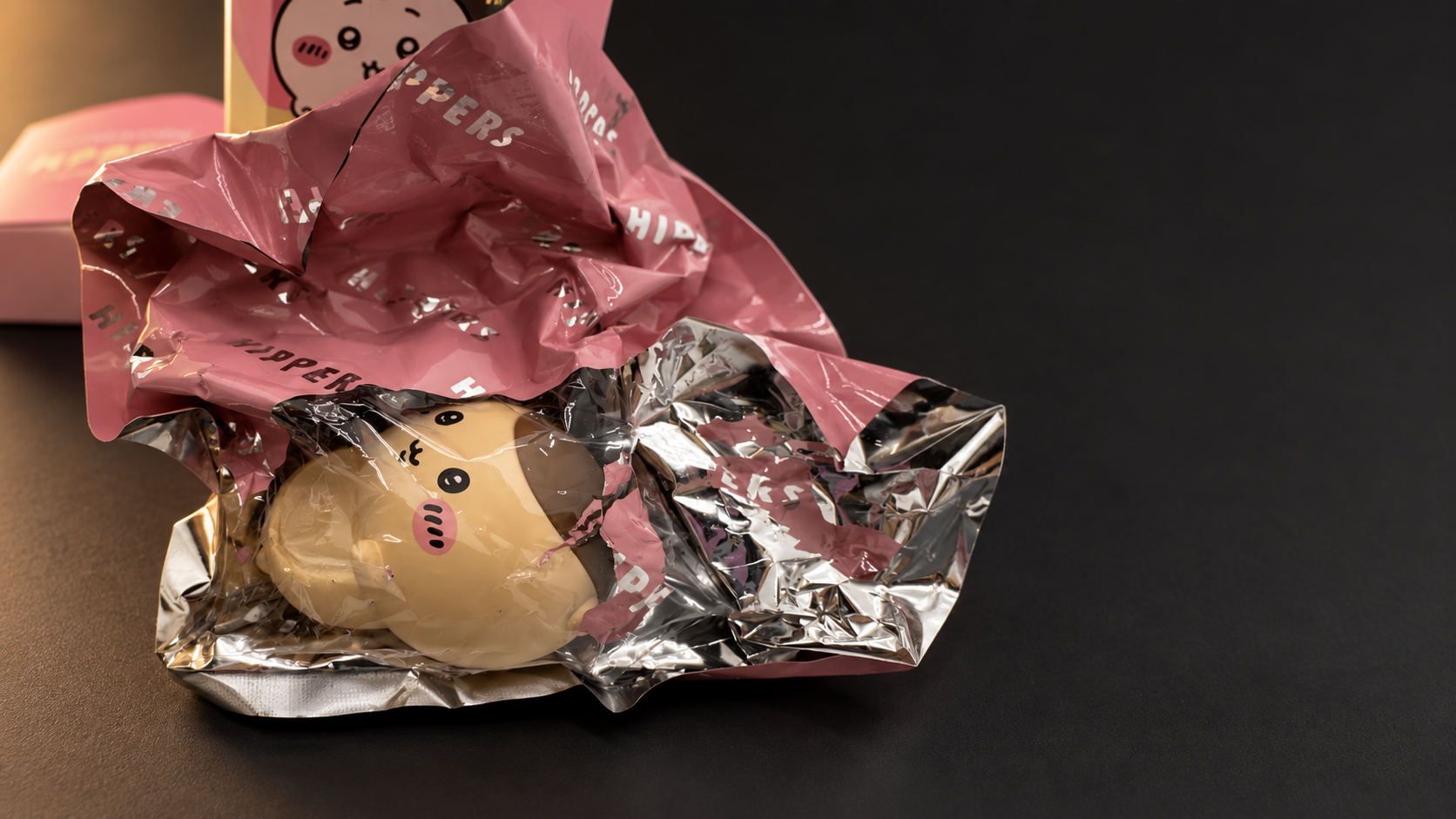
Consider this Sesame Bean listing from the Macaron series, offered through the personal selling account linked from our website. When checked on September 11, 2026, its description stated that the outer box and inner bag had been opened, the item had been taken out for checking and photography but remained unused, a character card was included, and the original box would be folded for shipping.
Those details answer different buying questions. A collector who wants an unopened inner bag would need a different listing. Someone who wants to display the toy may be comfortable with an opened item. A collector who also wants an assembled box should pay attention to the packing description.
The example illustrates how to read a listing; it is not an authentication assessment. Availability and listing details may change, so check the current page before making a decision.
Look beyond the main photograph
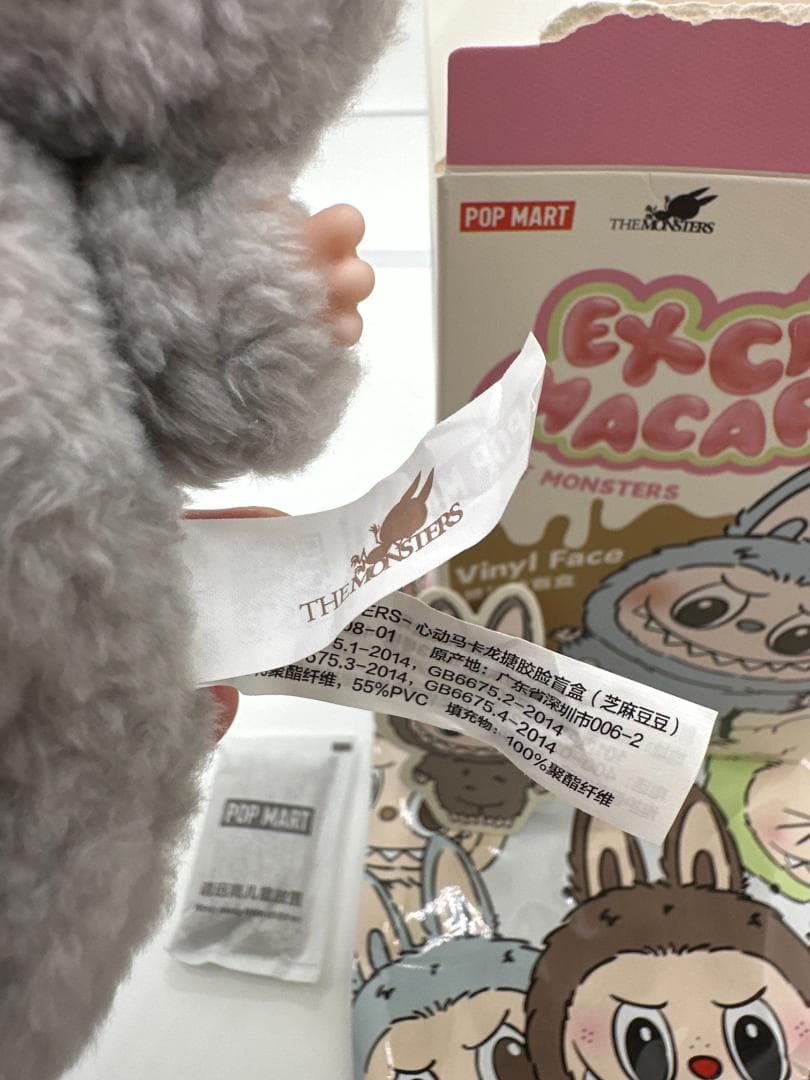
Start by counting what is shown: the toy, box, card, stand and any detachable parts. Then compare that photograph with the written list of included items. An accessory visible in a promotional image is not necessarily part of a resale listing.
Next, look at the areas that will matter when you use or display the piece. For a figure, that might be the face, back, base and connecting parts. For a plush collectible, it might be the face, seams, tags and attachment hardware. If an important area is missing from the photographs, ask to see it instead of assuming its condition.
Keep your own priorities clear. “I want the toy for display, can accept a folded box, and want the character card” is a much more useful checklist than simply looking for the cheapest item with the right character name.
Overseas buyers: check the purchase route as well
A Japanese listing does not by itself confirm that a particular item can be delivered to your country. Mercari describes services in which Mercari or an officially partnered provider handles the overseas purchase and shipment; see its international transaction support guide.
Before paying, check eligibility for your destination and item, the total amount shown at checkout, and the service’s current shipping and support terms. Do not assume that a warehouse inspection authenticates a collectible: Mercari’s own proxy-purchase guide specifically excludes authenticity verification from its described inspection.
To explore related listings, visit Loop KOBE on Mercari Shops or our linked personal selling account. Check each listing’s condition, included items and available purchasing route. The best match is the one whose details fit the collection you want to build.
Written by Koetsu Co., Ltd. This article includes an example from a selling account linked from our website. General inspection suggestions are editorial guidance, not an authentication service. Sources linked in the article were checked on September 11, 2026.