/ Osaka Food / English
Kubota Senju, Hekiju, Seppou or Manju? How the Four Kubota Sakes on a Yakitori Menu Differ, Using the Brewery's Own Data, and Choosing a Glass or a Bottle at Yakitori Senkichi in Osaka
Kubota, from Asahi-Shuzo in Niigata, comes in several lines, and Senju, Hekiju, Seppou and Manju differ in style and rice polishing. Using the figures and descriptions on the brewery's own website, this guide compares the four and explains how to choose between the glasses and bottles on Yakitori Senkichi Minamikyuhoji's menu, and what to ask before ordering.
Written by Koetsu Co., Ltd.
The mobile-order menu at Yakitori Senkichi in Minamikyuhoji, Osaka, lists four kinds of Kubota, a sake from Niigata: Senju and Hekiju by the 1-go glass (200 ml), and Seppou and Manju (spelled 万寿 on the menu) by the bottle. With no numbers in the names, it is hard to tell them apart.
This guide compares the four using the figures and descriptions published by the brewer, Asahi-Shuzo of Nagaoka, Niigata. Taste is personal, so we stick to what the brewery publishes and what the restaurant's menu says.
We explained brands that name their sakes after the rice-polishing ratio, such as Dassai 45, in our Dassai guide. Kubota works differently: each line has a name rather than a number.
What Kubota is
Kubota is a sake brand made by Asahi-Shuzo in Nagaoka, Niigata. According to the official site, the name comes from Kubotaya, the trading name of the founding Hirasawa family, and the brewery sums up Kubota's character as "kire", a clean, crisp finish.
"Kubota" covers many products: the official site lists ginjo, junmai ginjo, junmai daiginjo and honjozo sakes, among others. Some places just write "Kubota" on the menu; Senkichi gives the product name, so you can match it against the table below.
The four sakes side by side, from the official data
| Senju (ginjo) | Hekiju | Seppou | Manju | |
|---|---|---|---|---|
| Type | Ginjo | Junmai daiginjo (yamahai) | Junmai daiginjo (yamahai) | Junmai daiginjo |
| Polishing ratio (koji rice / main rice) | 50% / 55% | 50% / 50% | 50% / 33% | 50% / 33% |
| Alcohol | 15% | 15% | 16% | 15% |
| Sake meter value / acidity | +5.0 / 1.1 | +2.0 / 1.2 | +2.0 / 1.4 | +2.0 / 1.2 |
| Official description (summary) | Clean and light, gentle aroma; a ginjo made to go with meals | Solid yamahai umami with fresh, sharp acidity; suggested with grilled and seared food | Developed with Snow Peak for outdoor food; deep, rounded flavour | Rich aroma and full, layered flavour; umami, sweetness and acidity in balance |
| On Senkichi's menu | 1 go (200 ml) ¥980 | 1 go (200 ml) ¥1,680 | Bottle (500 ml) ¥12,980 | Bottle (720 ml) ¥15,900 |
We checked the figures on Asahi-Shuzo's site on 25 November 2026; the site itself notes that they may vary slightly. Senkichi's prices are from its mobile-order menu as checked in October 2026 and may change.
Reading the numbers: polishing ratio, sake meter value and acidity
The polishing ratio is the share of each rice grain left after milling; the lower the number, the more has been polished away. Kubota's site lists it separately for the koji rice (used to make koji) and the main rice (added to the mash). Seppou and Manju use main rice polished to 33%, the most of the four.
Under the National Tax Agency's standards, one of the conditions for ginjo sake is rice polished to 60% or less, and for daiginjo 50% or less. Senju, with main rice at 55%, is a ginjo; Hekiju, Seppou and Manju, at 50% or less, are junmai daiginjo. The polishing ratio alone does not decide which sake is "better", though.
The sake meter value is a rough guide: the higher above zero, the drier it tends to be; the further below, the sweeter. Acidity is a rough guide to how much acid there is. Senju has the highest value of the four at +5.0, and the brewery's sweet-dry scale places it on the dry side. How sweet or dry a sake feels also depends on acidity, aroma and temperature.
What yamahai means
Hekiju and Seppou are junmai daiginjo made by the yamahai method, which Asahi-Shuzo describes as "a traditional brewing method that draws the most from lactic acid bacteria". For Hekiju, the brewery highlights solid umami, fresh and sharp acidity, and a light, crisp finish.
The brewery suggests Hekiju with "grilled or seared dishes with a toasty aroma", which describes charcoal-grilled yakitori well, so it is a good candidate if you want to try a glass. Seppou was developed with the outdoor-gear maker Snow Peak, and the official site lists it as a limited release shipped in July and September.
Senju and Manju: the menu wording versus the brewery's
Senkichi's menu calls the Senju a "junmai daiginjo", but Asahi-Shuzo's site lists Senju as a ginjo and a junmai ginjo (plus seasonal versions); we could not find a junmai daiginjo Senju. To know which Senju you will get, ask to see the bottle's label or ask the staff when you order.
The ginjo and junmai ginjo Senju share the same polishing ratios (50% koji rice, 55% main rice), but the brewery lists a sake meter value of +5.0 for the ginjo and +3.0 for the junmai ginjo. Manju is written 万寿 on the menu; the official spelling is 萬寿. The brewery presents it as a junmai daiginjo with a rich aroma and full, layered flavour.
A glass or a bottle?
- To start with one glass: Senju (¥980 per 1-go glass), which the brewery calls "a ginjo to enjoy with meals" - clean and light
- To match the charcoal-grilled aroma: Hekiju (¥1,680 per glass), a yamahai sake the brewery suggests with grilled and seared food
- To open a special bottle with a group: Manju (720 ml, ¥15,900) or Seppou (500 ml, ¥12,980). A bottle holds far more than a 200 ml glass, so think about how many people will share it
- Seppou is a limited release according to the brewery, so ask whether it is in stock before ordering
A go is usually 180 ml, but this menu lists its go as 200 ml, so a 720 ml bottle equals about 3.6 glasses and a 500 ml bottle 2.5 glasses. Don't compare the glass and bottle prices directly, though: they are different sakes. Senju and Hekiju come by the glass, Seppou and Manju by the bottle.
For the basics of ordering sake - chilled or warm, and how big a go is - see our guide to ordering sake with yakitori. In Japan you must be 20 or older to drink, and never drive after drinking.
What to check before ordering
- Whether the Senju is the ginjo or the junmai ginjo (ask to see the label)
- Whether the Seppou and Manju bottles are in stock
- Whether you can choose the temperature (chilled or warm)
- Whether the price matches the menu (prices can change)
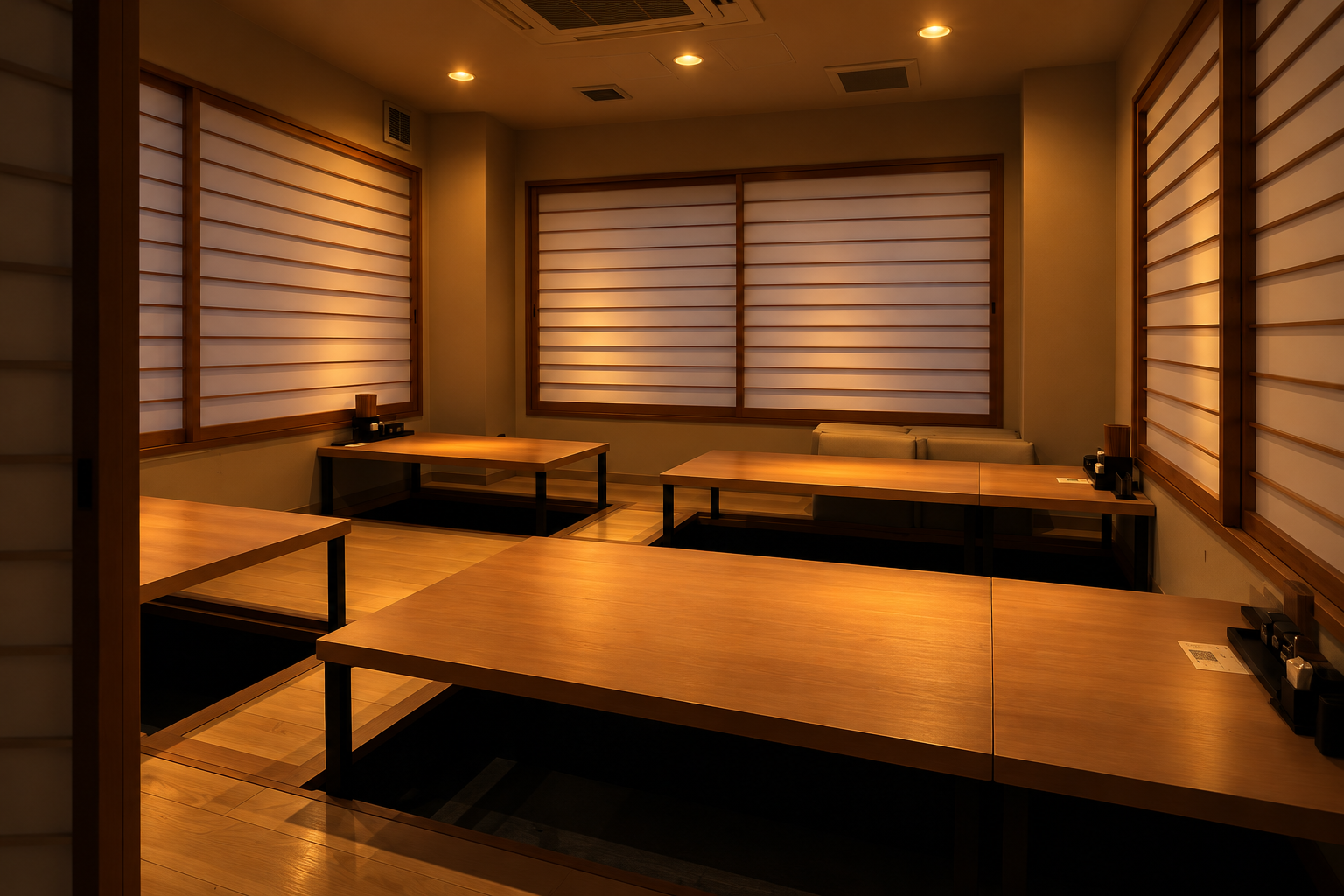
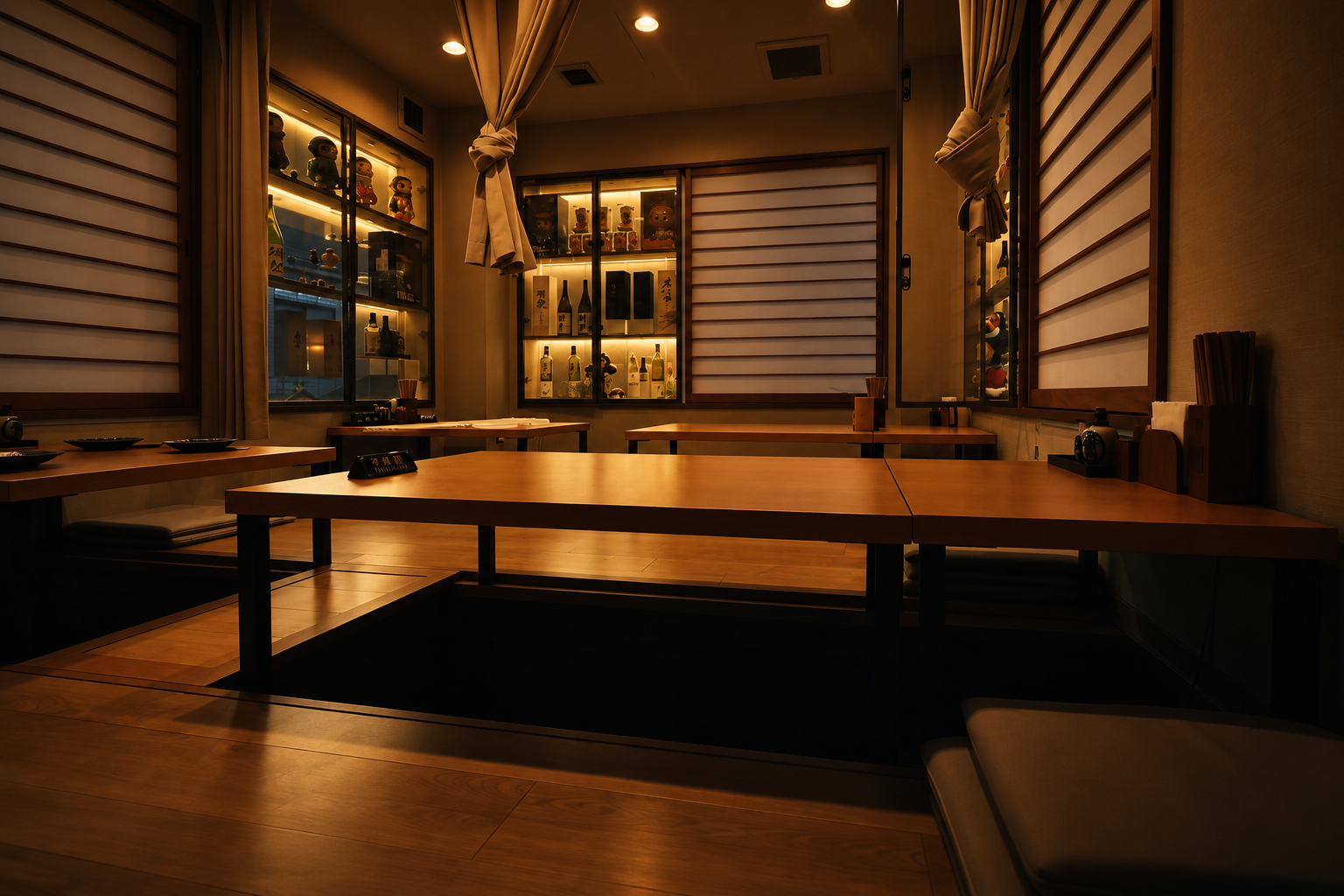
Yakitori Senkichi Minamikyuhoji is in Minamikyuhoji-machi, within walking distance of Hommachi and Shinsaibashi stations on the Osaka Metro. For seat availability and what is in stock on the day, calling the restaurant is the surest way.
Sources and further reading
- Asahi-Shuzo: Kubota product range (official site, Japanese)(Checked: )
- Kubota Senju (Asahi-Shuzo official site, Japanese)(Checked: )
- Kubota Senju Junmai Ginjo (Asahi-Shuzo official site, Japanese)(Checked: )
- Kubota Hekiju (Asahi-Shuzo official site, Japanese)(Checked: )
- Kubota Seppou (Asahi-Shuzo official site, Japanese)(Checked: )
- Kubota Manju (Asahi-Shuzo official site, Japanese)(Checked: )
- National Tax Agency: Outline of the labelling standards for sake (Japanese)(Checked: )
- Yakitori Senkichi official website(Checked: )