/ Osaka Food / English
What to Order with Yakitori: Edamame, Atsuage and Fries
Choosing sides for a yakitori dinner in Osaka? Compare edamame, grilled atsuage tofu and fries, with practical sharing tips and simple Japanese ordering phrases.
Written by Koetsu Co., Ltd.
Once you have chosen your skewers, a side dish can give the table something different to enjoy. Edamame suits nibbling between bites, grilled atsuage offers a tofu dish, and fries are a familiar option for sharing. Start with the kind of food you want alongside the chicken, rather than feeling you need to order several sides at once.
This guide is published by Koetsu, operator of Yakitori Senkichi Minamikyuhoji. All three dishes appear on the published menu checked on 22 September 2026. That page shows an update date of 5 January 2026, so confirm availability, prices and portion sizes when you visit.
Edamame for a few bites at a time
Edamame are soybeans served in their pods: eat the beans inside, leaving the pods. If you need somewhere to put the empty pods, ask “Kara o ireru osara o onegaishimasu” (殻を入れるお皿をお願いします), meaning “Could we have a plate for the empty pods?” They work as an option to nibble on between skewers.
The dish name alone does not tell you whether the beans arrive warm or cold, how salty they are, or how much comes in a serving. If temperature matters to you, ask “Edamame wa atatakai desu ka?” (枝豆は温かいですか?), or “Are the edamame served warm?” That is more useful than assuming a particular preparation.
Atsuage is a tofu side dish
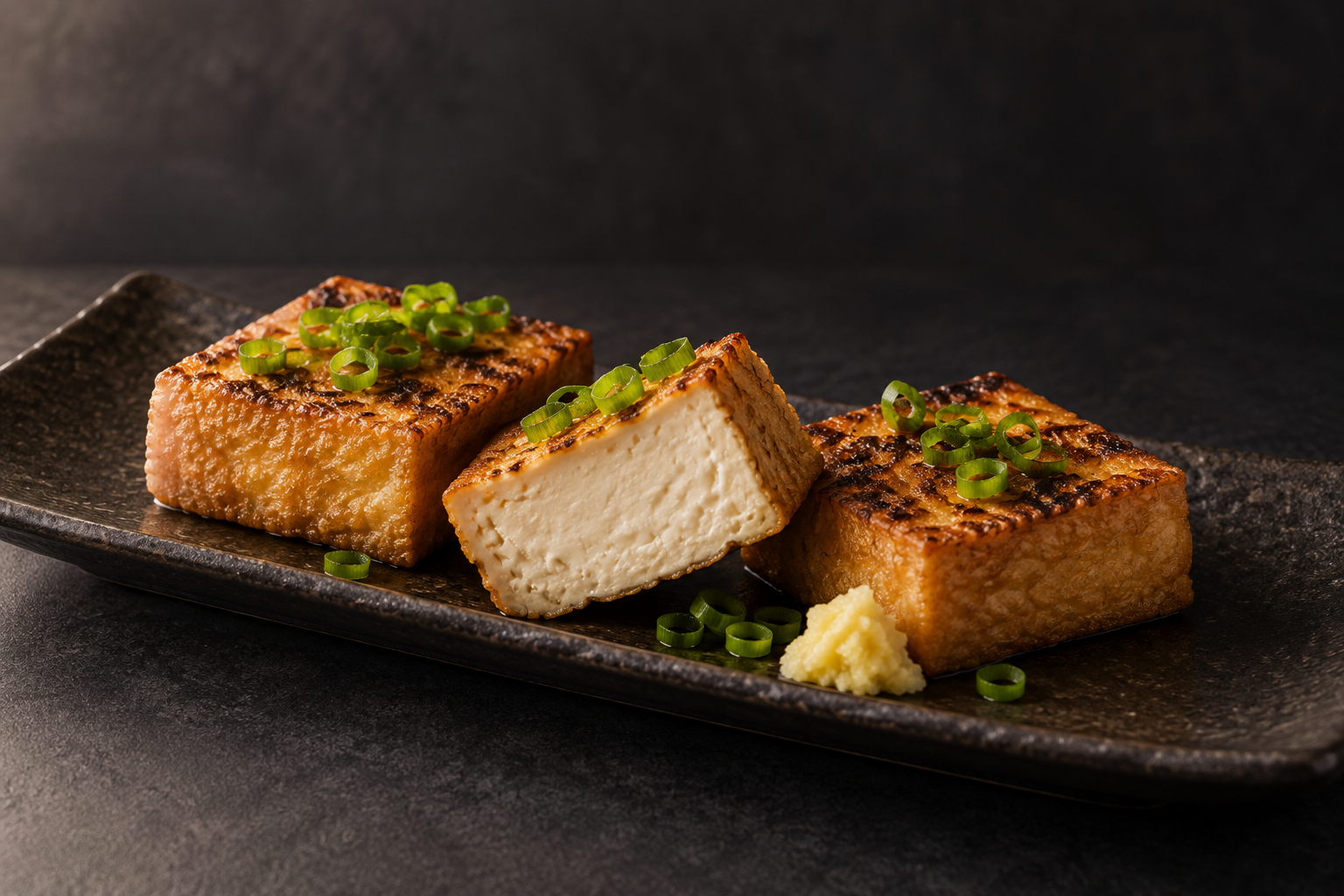
Atsuage is thick deep-fried tofu; atsuage-yaki means grilled atsuage. The appeal is the contrast between the outer surface and the softer tofu inside. Consider it when you want a tofu dish alongside the skewers, rather than another round of the same ingredients. The name describes the basic dish, not every finishing ingredient.
Toppings and sauces vary between restaurants. We have not established this dish’s precise finishing ingredients from the menu listing, so the garnish in the illustrative cover should not be treated as the actual serving. Ask “Nani ga kakatte imasu ka?” (何がかかっていますか?), meaning “What is added on top?”, if that affects your choice.
Compare texture and sharing, including fries
| Side | When to consider it | Useful check |
|---|---|---|
| Edamame | You want to nibble between skewers | Serving temperature and quantity |
| Grilled atsuage tofu | You would like a tofu dish | Toppings, sauce and how to share it |
| French fries | You want a familiar fried side to share | Seasoning and portion size |
Fries can be an easy shared choice when someone at the table is still getting familiar with Japanese skewer names. Cut, seasoning, sauce and serving size vary. If you also plan to have rice, ask about the portion before deciding how many sides to order; there is no universal number of plates for two diners.
To share, say “Futari de waketai desu. Torizara o onegaishimasu” (二人で分けたいです。取り皿をお願いします): “We would like to share between two people. Could we have small plates?” A heading such as toriaezu on a menu is not a guarantee that the dish arrives before the skewers. Ask about the order of service if it matters.
Build a manageable first order
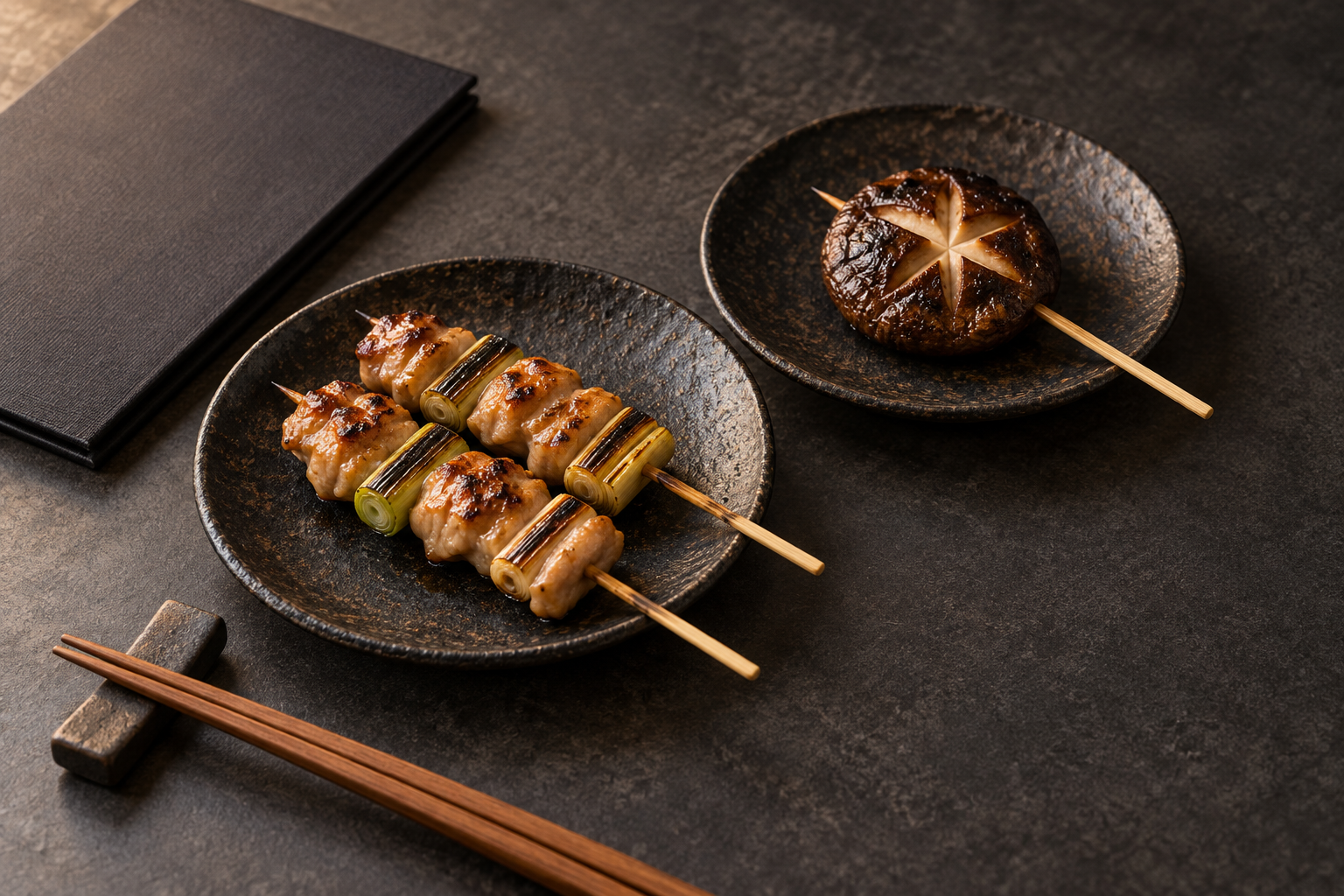
For an example order, “Edamame o hitotsu to, atsuage-yaki o hitotsu onegaishimasu” (枝豆を一つと、厚揚げ焼きを一つお願いします) requests one serving of each. Confirm the skewer quantities separately. Our yakitori ordering guide explains the cuts and the choice between salt and tare sauce.
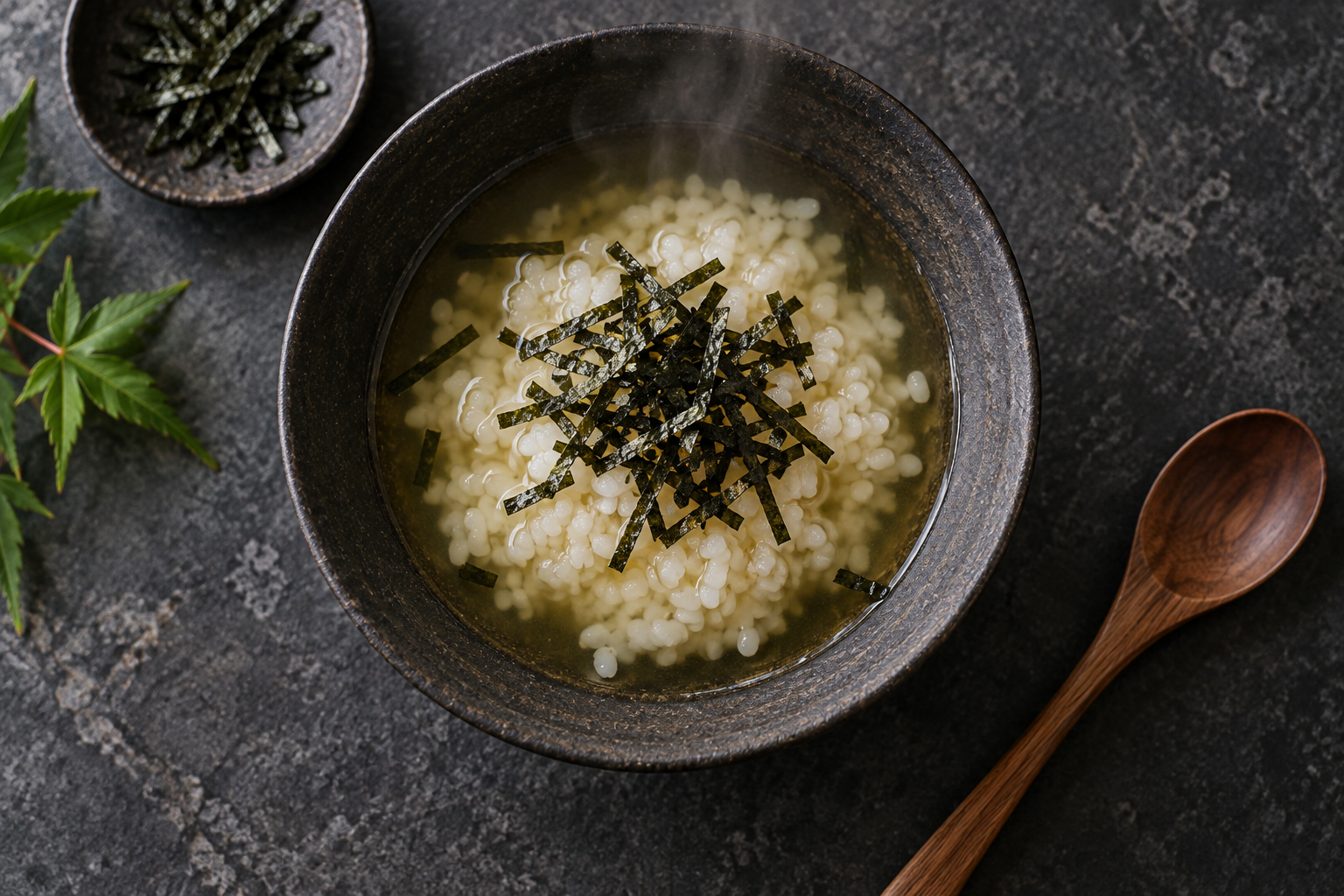
For dinner around Hommachi and Shinsaibashi, check the address and contact details on the restaurant page. If you would like rice at the end, our onigiri and ochazuke guide can help you plan the meal around both the side you want now and the finish you want later.