/ Osaka Food / English
Seseri, the Chicken Neck Skewer: What It Tastes Like, How It Differs from Thigh and Skin, and Tips for Ordering at Yakitori Senkichi
Seseri on a yakitori menu is meat from around the chicken's neck. What is the texture like, and how is it different from thigh or skin? Using the photo Yakitori Senkichi shows on its ordering menu, this guide covers what the cut is, how to think about tare and salt, and what to check when you order.
Written by Koetsu Co., Ltd.
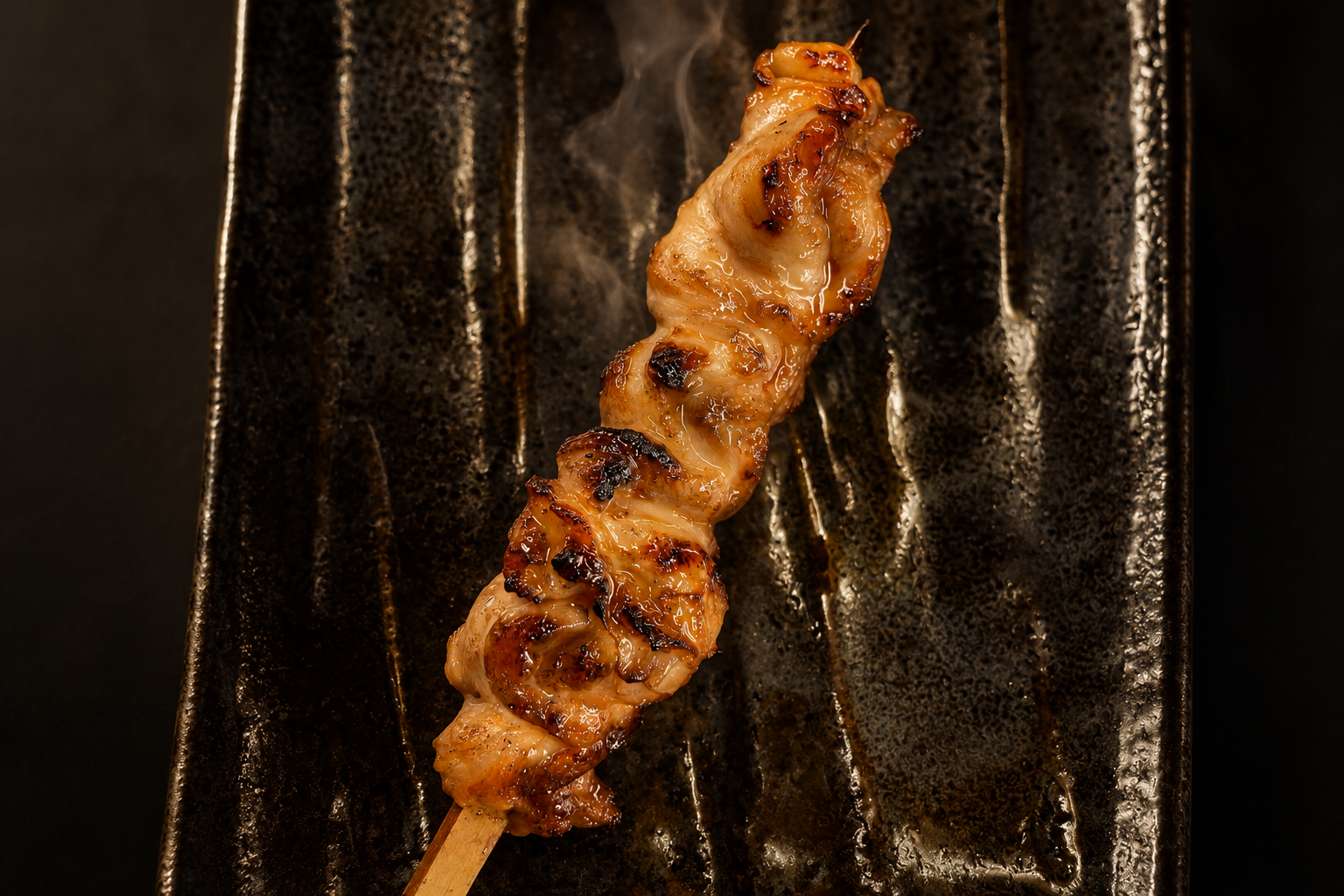
If you have seen seseri on a yakitori menu and wondered which part of the bird it is, the answer is the neck: seseri is the meat from around a chicken's neck, sometimes listed as neck or kubiniku. At Yakitori Senkichi in Minamikyuhoji, the in-store mobile ordering menu we checked in late October 2026 listed seseri at 298 yen in its recommendations section. Prices and items can change, so please check the menu in the restaurant for the latest.
Using the photo Senkichi shows on its menu, this guide looks at what makes seseri distinctive, how it differs from thigh and skin, and what to check when ordering. We could not confirm from public information where Senkichi sources its seseri, how it is prepared, how long it is grilled or exactly how it is seasoned.
Senkichi's seseri in the photo
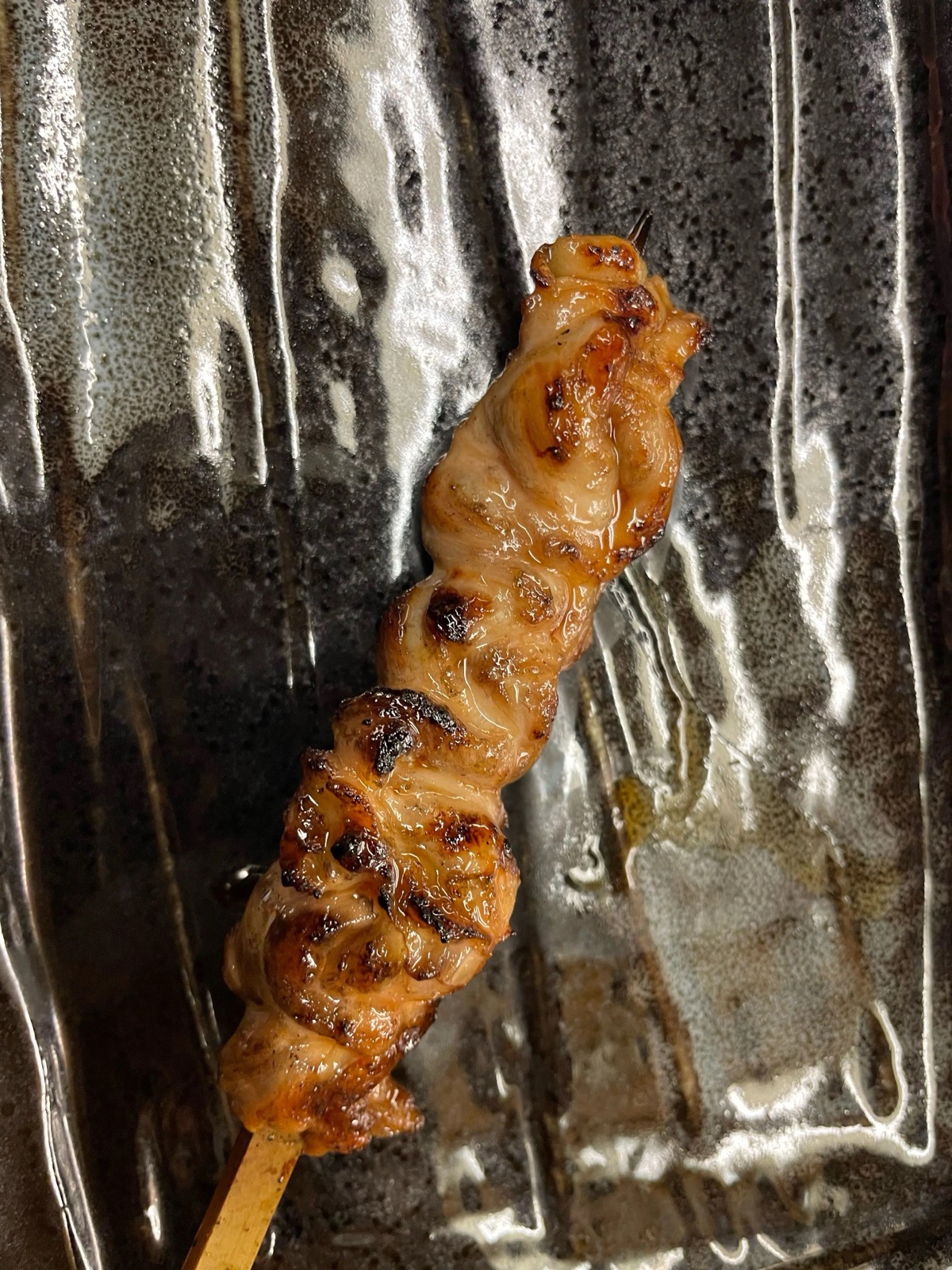
In the photo, long strips of meat are folded back and forth onto the skewer in twists, which looks quite different from negima, where thigh meat is cut into cubes. The surface is glossy, with browned spots on the raised parts. The menu simply says seseri, with no note on whether it comes with tare or salt, so please ask the staff when you order whether you can choose the seasoning.
What kind of cut is seseri?
Seseri is the meat attached around the neck. Preco Foods, a supplier of yakitori ingredients, describes it as a cut that yields only a small amount per bird, with a springy texture, strong umami and a rich flavour. A guide on JR East's JRE Media likewise explains that the neck area is a part where the bird uses its muscles a lot, which is why seseri is springy.
The neck is a place where small muscles gather around thin bones, so it takes some work to collect enough for one skewer. JRE Media lists neck and kubi-koniku as other names and says a single bird yields only about 20 g. As Preco Foods notes, the names of cuts and menu items can differ depending on how the bird is butchered and on the restaurant.
How it compares with thigh, skin and negima
| Menu name | Cut | Typical texture |
|---|---|---|
| Seseri | Meat around the neck | Fine fibres, springy, with a moderate amount of fat |
| Kashiwa (thigh) | Thigh meat | Juicy and tender |
| Kawa (skin) | Skin | Very fatty; crisp or soft depending on how it is grilled |
| Negima | Thigh and leek | Thigh texture with the sweetness of leek |
The textures in the table are general tendencies and change with how each restaurant cuts and grills the meat. Senkichi's menu also lists kashiwa (thigh), kawa (skin) and negima alongside seseri. A useful way to think about seseri is as the skewer in between: not as soft as thigh, not as fatty as skin, with more bite than either. For more on skin, see our guide to kawa.
Tare or salt?
A common way to choose is salt if you want to taste the meat's own flavour and the aroma of its fat, and tare if you like a glossy, sweet-savoury finish. Because the cut has some fat, some restaurants serve it with salt and a wedge of lemon or shichimi pepper. Which seasoning a restaurant uses for seseri, and whether you can choose, differs from place to place.
Senkichi's photo looks glossy, but you cannot tell the seasoning from a photo alone. The surest way is to ask when you order. In Japanese you can say "Seseri wa shio to tare, eraberemasu ka?", which means "Can I choose salt or sauce for the seseri?"
Before you order
- At Senkichi it appeared in the recommendations section of the mobile ordering menu. It may not be available every day, so ask the staff if you cannot find it.
- Seseri is said to yield only a small amount per bird. If you want enough for the whole table, check first how many skewers they can make.
- Chicken should be cooked all the way through. Japan's agriculture ministry advises heating chicken thoroughly to prevent food poisoning from Campylobacter. If anything looks underdone, such as pink in the middle, tell the staff.
- Skewers come off the grill very hot. Eating from the end nearest the stick helps you avoid burning yourself on the juices.
If it is your first visit to Senkichi, one idea is to order one each of negima or kashiwa, seseri and kawa, and compare how the textures differ from cut to cut. For the basics of ordering yakitori, see our guide to ordering yakitori in Osaka.
Yakitori Senkichi is in Minamikyuhoji-machi, Chuo Ward, Osaka, within walking distance of both Honmachi and Shinsaibashi stations. For opening hours, reservations and the latest menu, please check Yakitori Senkichi's official website or call the restaurant.