/ Osaka Food / English
How Many Yakitori Skewers Should You Order? A Simple Way to Pace It
Not sure how many yakitori skewers to order? This guide explains why it helps to start small and add more, how side dishes and a rice dish fit in, how to count skewers in Japanese, and how to estimate a budget from Yakitori Senkichi's listed prices.
Written by Koetsu Co., Ltd.
Looking at a yakitori menu, it is common to wonder how many skewers each person should order. Skewer sizes and appetites vary, so there is no single right number. This guide explains a way of ordering that helps you avoid both over-ordering and going hungry, the Japanese for counting skewers, and how to think about the budget.
Start small and add more
A good approach is to order about two or three skewers per person to begin with and add more as you eat. Yakitori is often grilled to order, so if you order a lot at once, the later skewers may sit and cool. Ordering in rounds means you eat them hot and can adjust to how hungry you are.
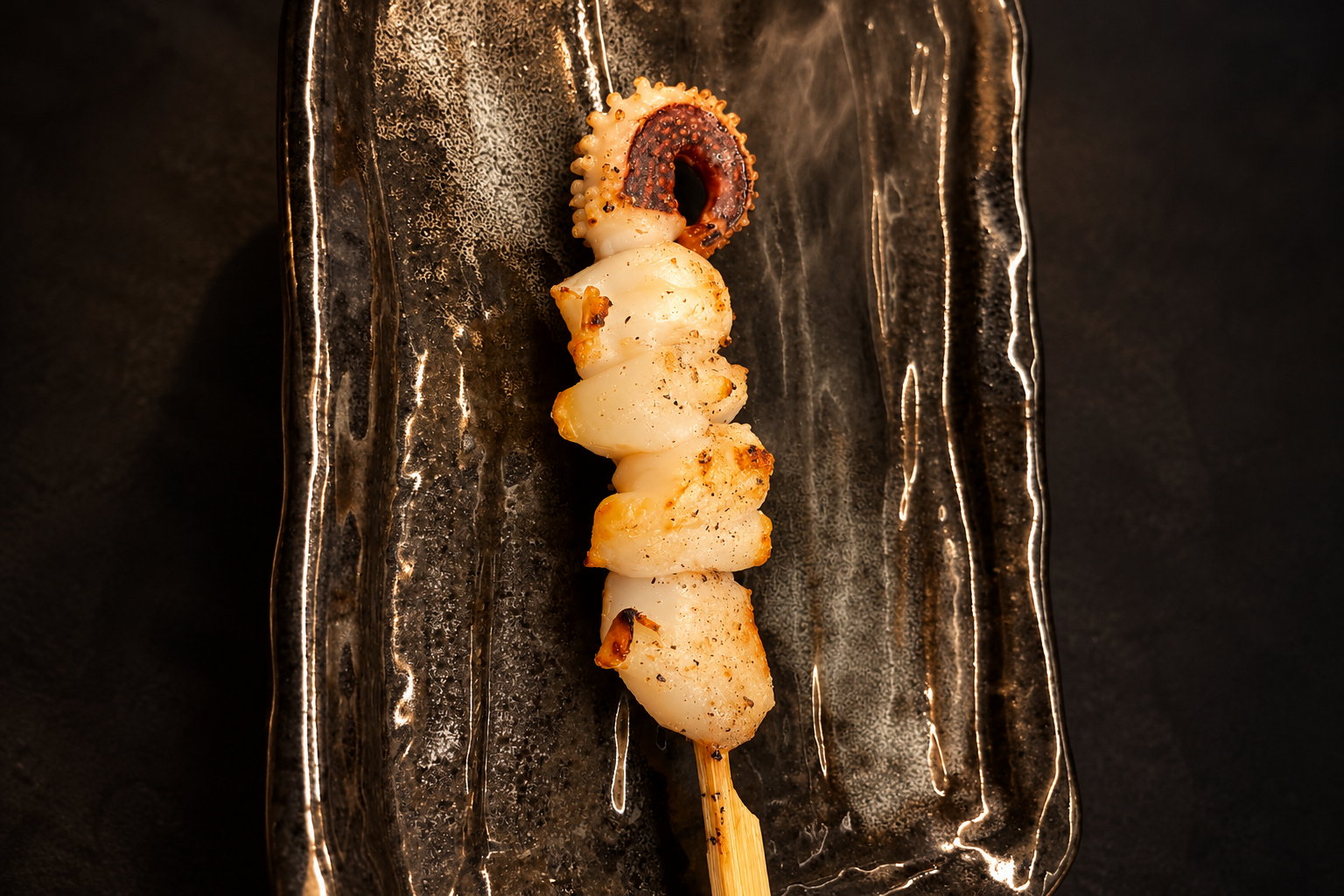
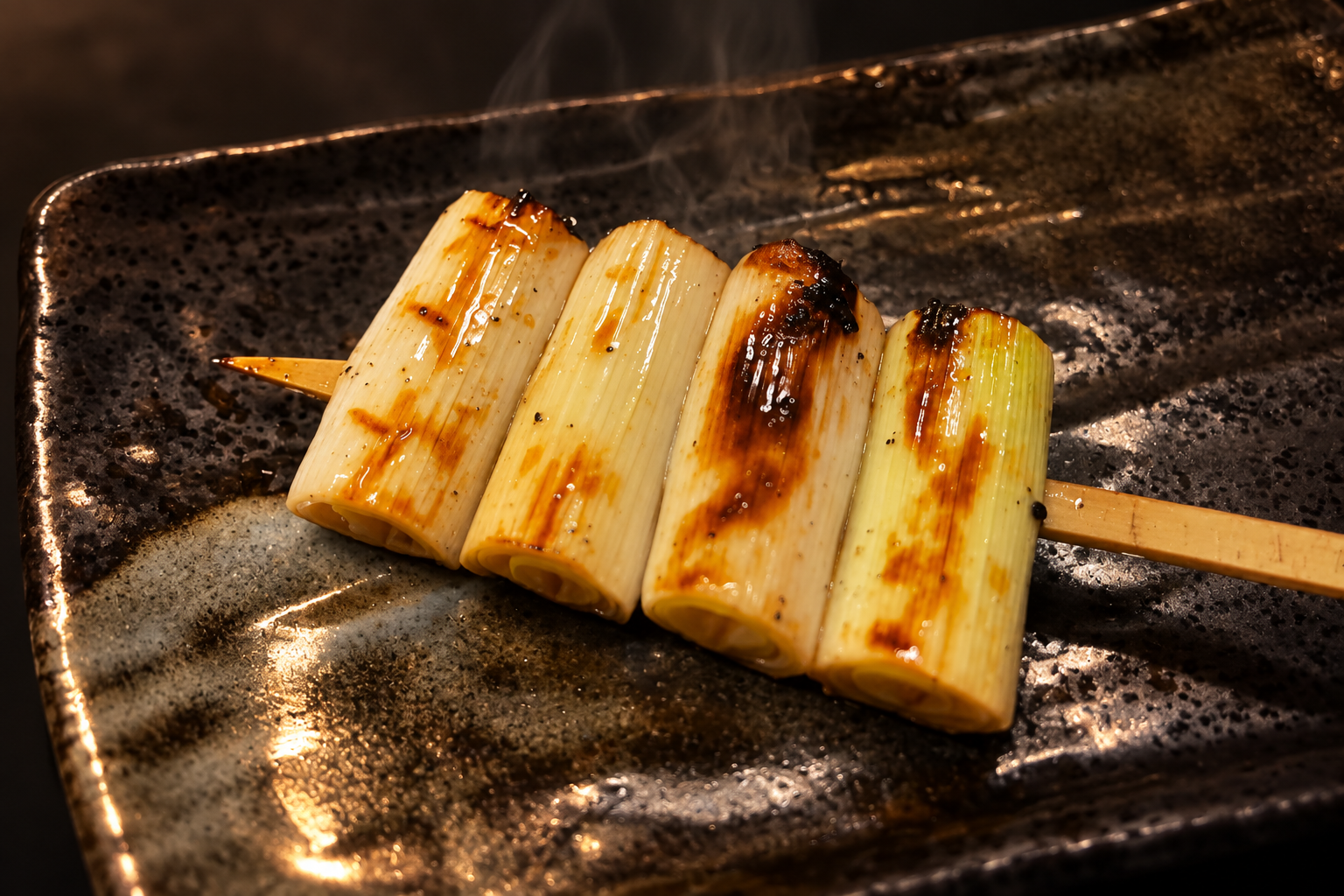
In the first round, choose familiar skewers such as negima (chicken and leek), momo (thigh) or tsukune (chicken meatball), then try other cuts or vegetable skewers in later rounds. This makes it easier to get a feel for the restaurant. Yakitori Senkichi's official site lists both its same-day skewered chicken and its charcoal-grilled skewers from ¥220.
What affects how many you need
| Factor | How it affects the number |
|---|---|
| Ordering side dishes | With salads or fried dishes, start with fewer skewers |
| Planning a rice dish at the end | Leave room for onigiri or ochazuke |
| Coming for dinner rather than drinks | You may want more skewers and dishes than at a drinking-focused visit |
| Booked a set course | Check what the course includes before adding extras |
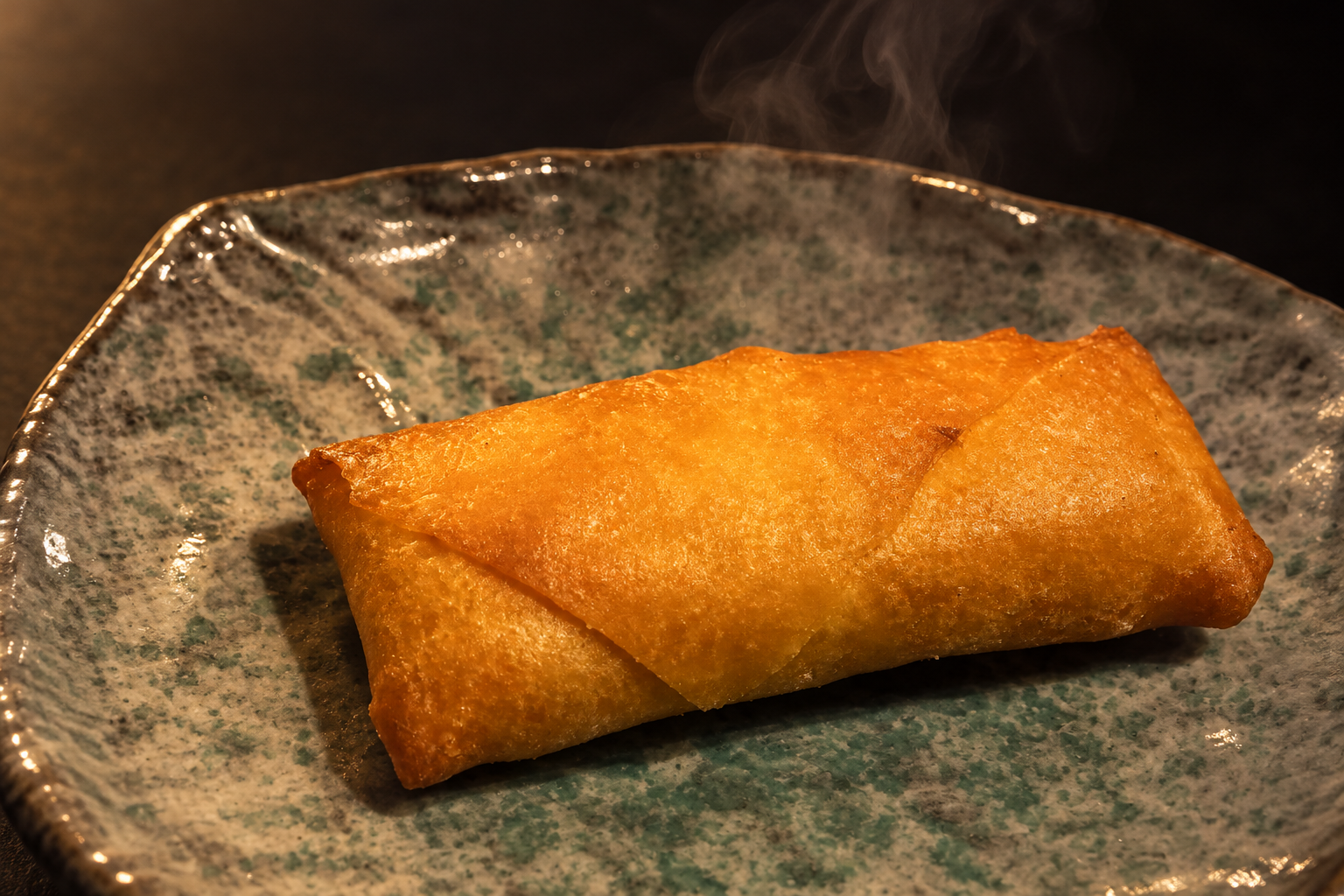
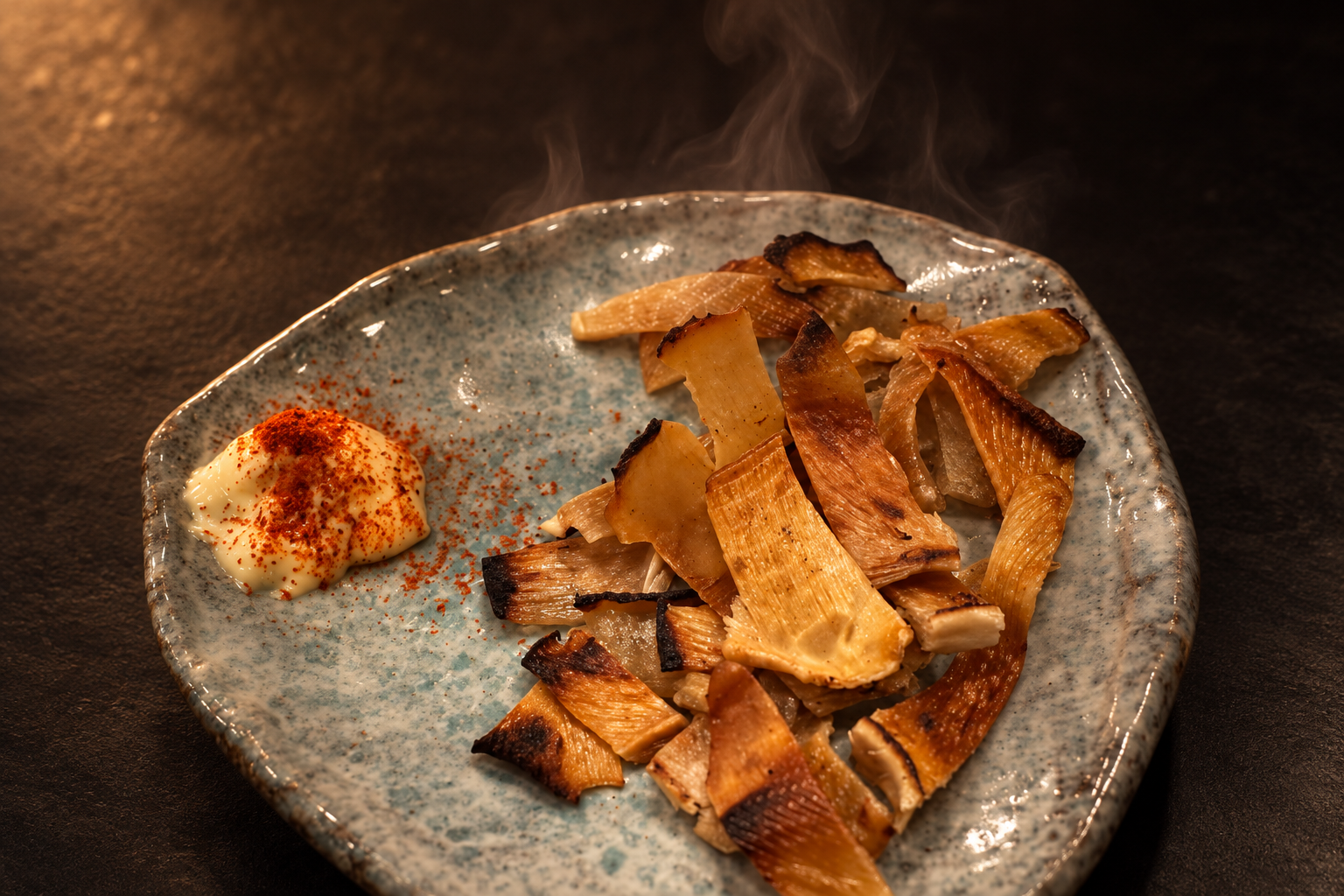
Yakitori restaurants usually serve more than skewers: edamame, salads, fried dishes and rice dishes to finish. If you are ordering a few side dishes, starting with fewer skewers keeps the meal balanced. If you want a rice dish at the end, leave some room for it.
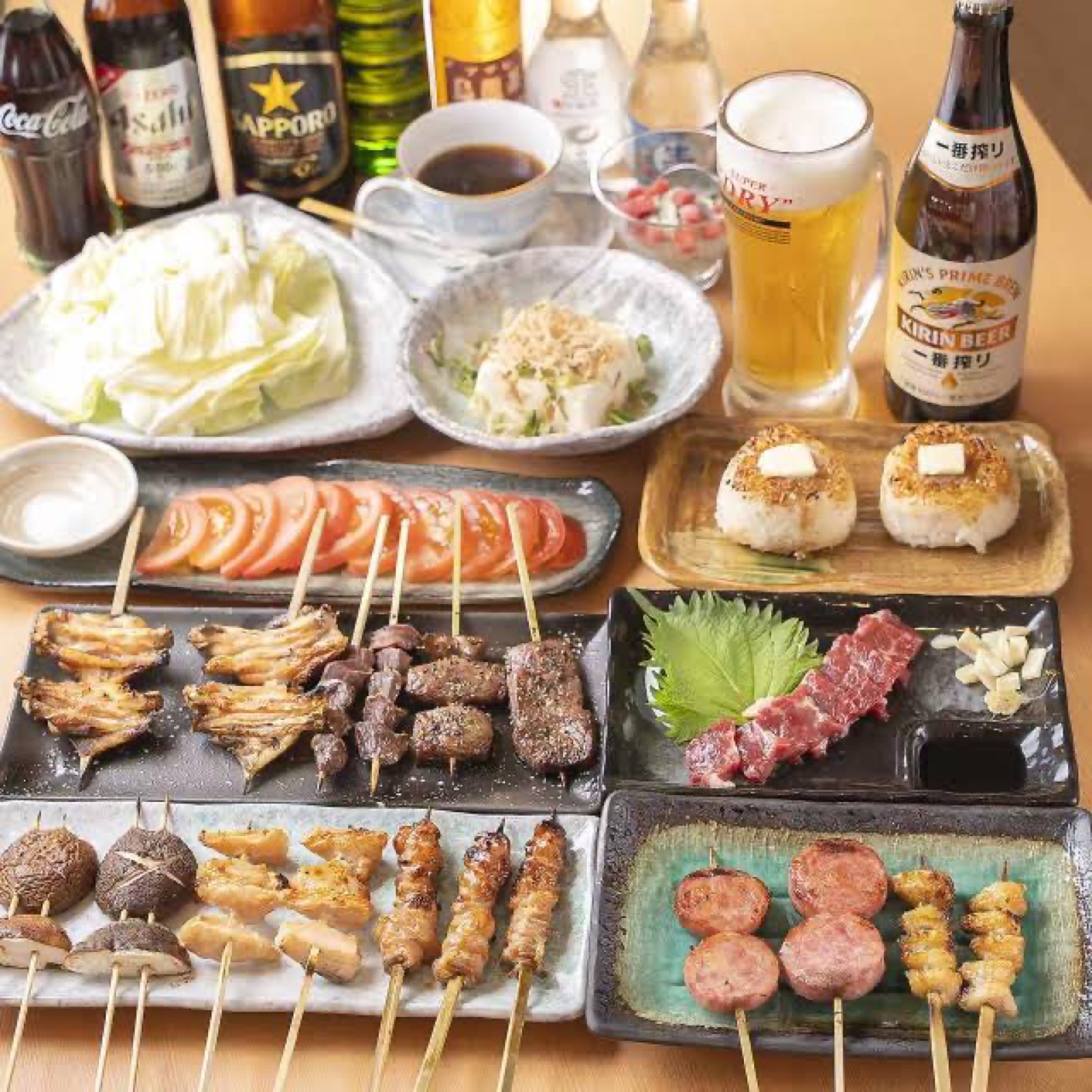
As in this photo, ordering skewers together with dishes such as horse sashimi, grilled rice balls and vegetables makes it easy for a group to share. In a group, decide early whether to order one of each skewer per person or more varieties to share.
Counting skewers in Japanese
In Japanese, skewers are counted with hon, and the sound changes with the number: ippon (1), nihon (2), sanbon (3), yonhon (4), gohon (5). Holding up fingers while you say it makes your order clear even if you are unsure of the pronunciation.
- Negima o nihon kudasai: two negima, please
- Tsukune o ninzū-bun onegaishimasu: one tsukune for each of us, please
- Tsuika de, momo o sanbon onegaishimasu: three more thigh skewers, please
- Shio to tare, dochira ga osusume desu ka: salt or tare, which do you recommend?
- Hoka ni osusume no kushi wa arimasu ka: any other skewers you recommend?
Placing your next order when you are down to the last one or two skewers keeps the wait for the next round short. Near closing time, gather your final additions into one order before last orders are called.
Estimating the budget
You can make a rough estimate from listed prices. Yakitori Senkichi's official site lists skewers from ¥220, so five skewers each would come to ¥1,100 or more per person for skewers alone. This uses the lowest listed price; prices vary by cut, and drinks and side dishes are extra. Please check the menu in the restaurant for exact prices.
If you lose track of how many you ordered, just ask the staff before paying. For table charges such as otoshi, see what otoshi means at an izakaya; for set courses versus ordering individually, see set course or à la carte. Yakitori Senkichi's official site says its courses come with all-you-can-drink.
Yakitori Senkichi Minamikyuhoji is in Minamikyuhoji-machi 3-chome, Chuo-ku, Osaka. Its official site lists opening hours of 17:00 to 22:30, with some irregular closing days. For larger groups or if you are considering a course, please call ahead on 06-4256-3135.