/ Osaka Food / English
Yakitori vs Kushikatsu: Choosing Skewers for Dinner in Osaka
Both arrive on skewers, but yakitori and kushikatsu offer different textures and menus. Compare grilled chicken with breaded fried skewers, then choose the dinner that suits your evening in Osaka.
Written by Koetsu Co., Ltd.
When browsing dinner options in Osaka, you may find both yakitori and kushikatsu. They share the skewer, but the useful distinction is how the food is cooked. Start by deciding whether you want grilled food or the crisp coating of a breaded fried skewer.
Comparing cooking method, ingredients and seasoning gives you something concrete to discuss with a travel companion. This guide uses official tourism information and a published yakitori menu to explain the terms. It is a way to choose a meal, rather than a ranking of restaurants.
The main difference: grilled or breaded and fried
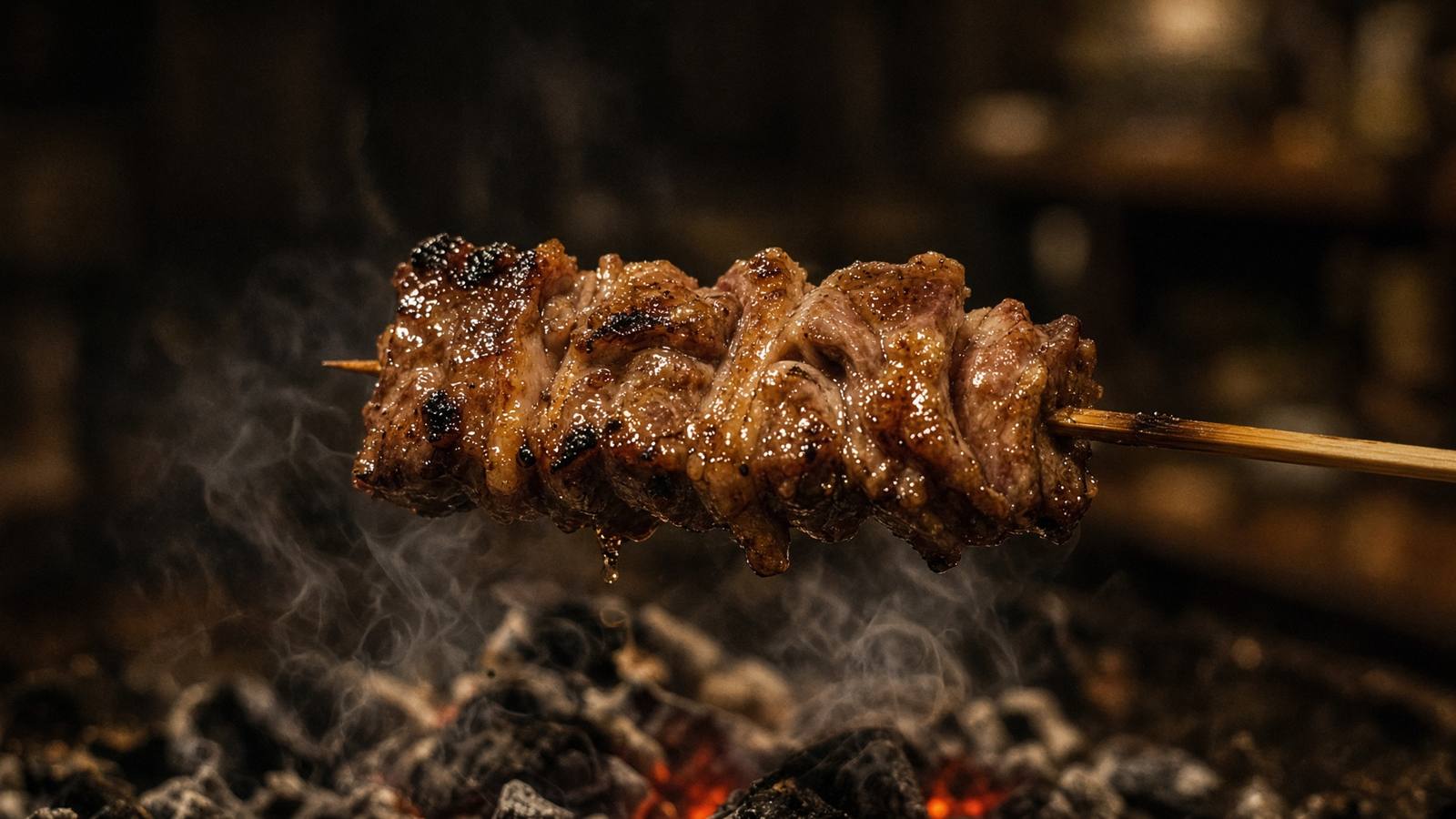
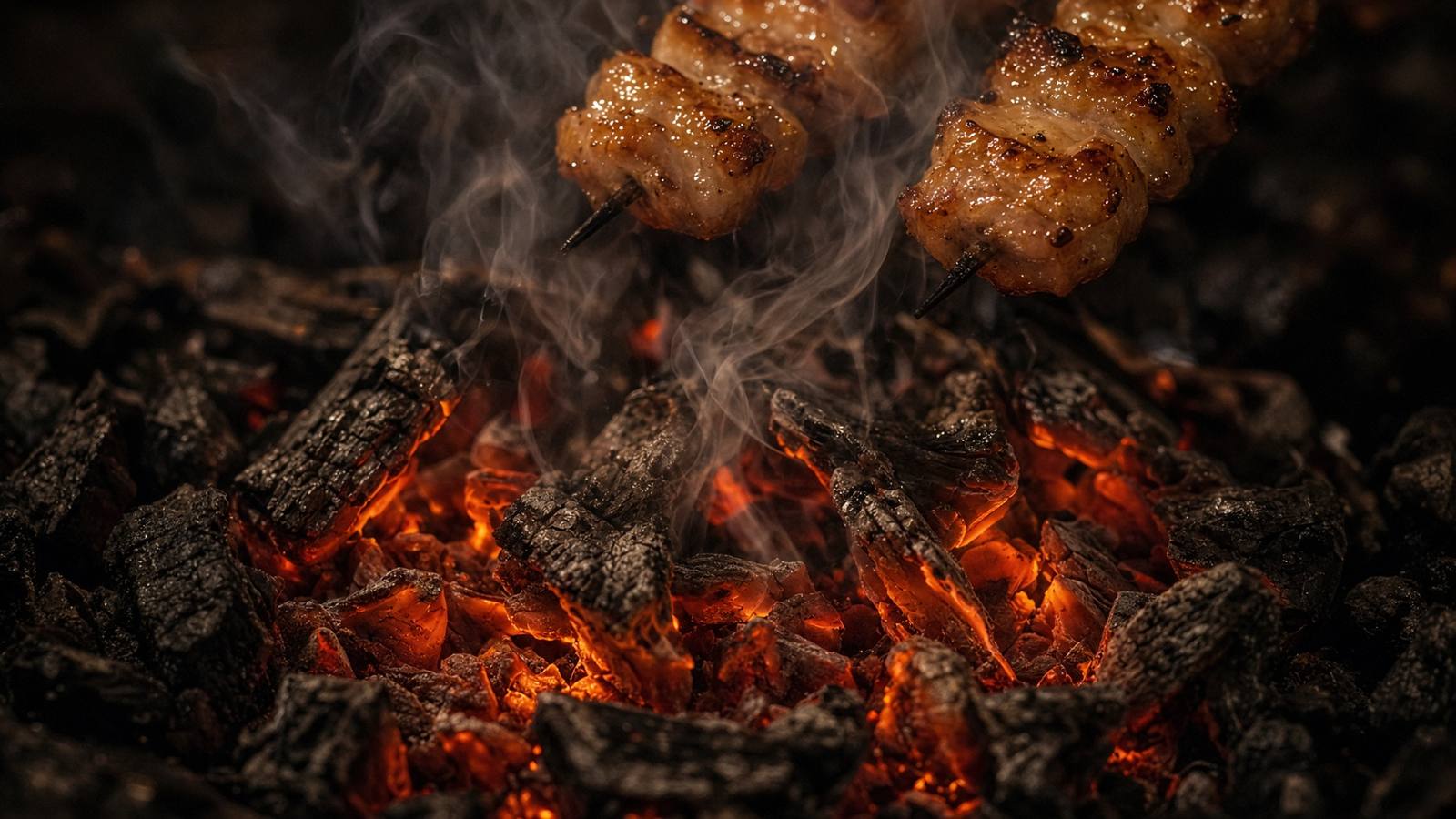
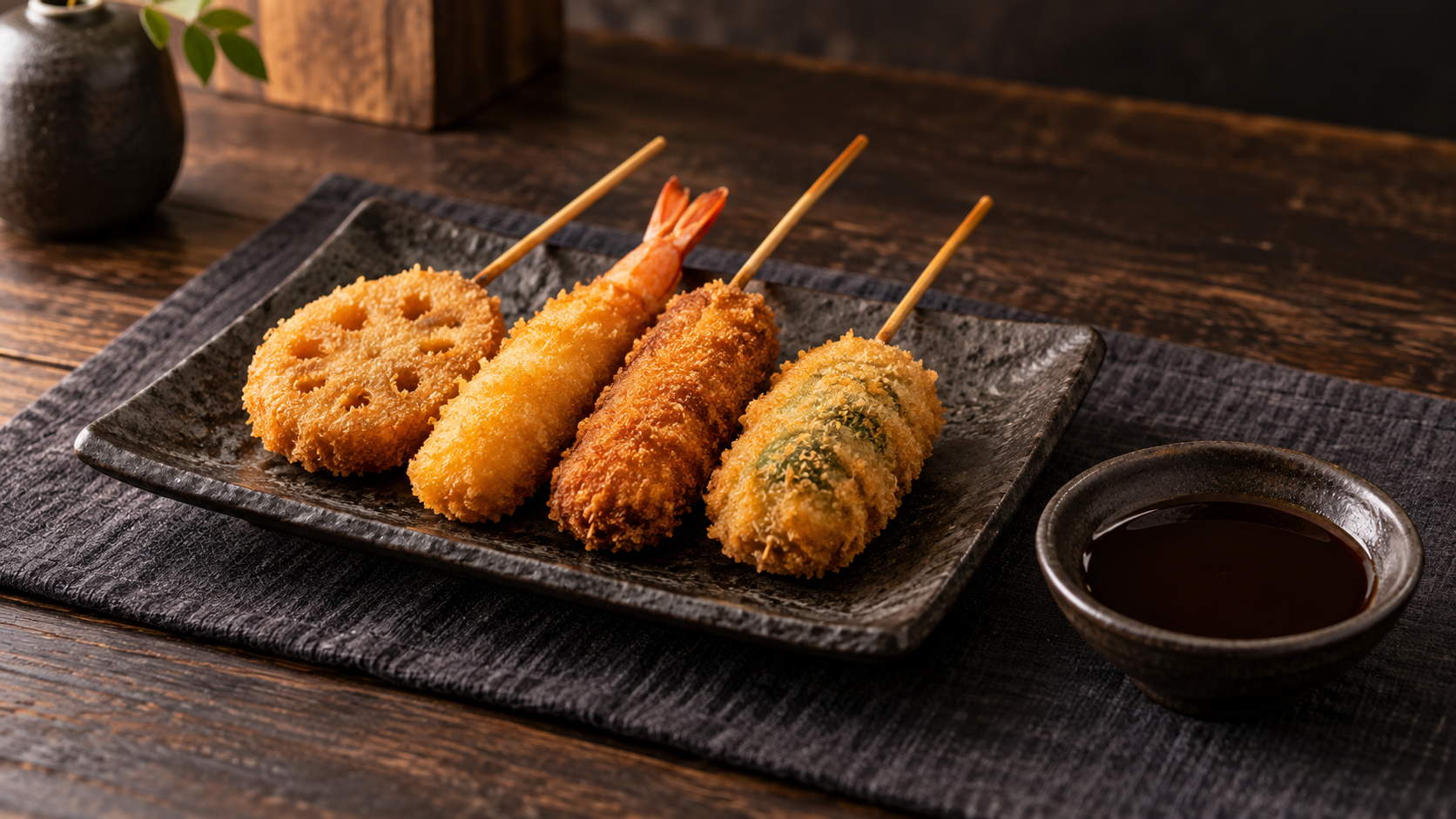
JNTO introduces yakitori as chicken cooked on skewers over a flame. OSAKA-INFO describes kushikatsu as skewered meat or vegetables coated in batter and breadcrumbs, then fried. That difference in preparation explains why the surface of each dish looks and feels different.
With yakitori, the chicken cut and its preparation help shape the experience. With kushikatsu, consider the filling together with its crisp coating. Neither name tells you how large your dinner will be: the number and type of items you order still matter.
| What to compare | Yakitori | Kushikatsu |
|---|---|---|
| Preparation | Chicken cooked on skewers | Battered, breadcrumbed and fried |
| Choosing an item | Chicken cut and seasoning | The filling beneath the coating |
| Surface texture | The grilled ingredient itself | A breadcrumb coating |
| A useful question | Cut, quantity, salt or sauce | Filling, quantity and sauce instructions |
A chicken skewer can still mean different dishes
A fried skewer may also contain chicken, so “chicken” alone does not tell you which preparation you are ordering. Look for a breadcrumb coating in the photograph and for 焼, indicating grilling, or 揚, indicating frying, in the description. Ask if the method remains unclear.
Beef or vegetable skewers on a yakitori restaurant’s menu are not automatically kushikatsu either. A restaurant may offer a broader grilled selection. Read the ingredient and cooking method separately, especially when one person wants chicken and another is considering vegetables or a different meat.
Do not confuse yakitori seasoning with kushikatsu sauce
Some yakitori items offer a choice of shio, salt, or tare, sauce. Do not assume the choice applies to every skewer; use the options shown on the menu or offered by your server. Our yakitori ordering guide goes into the cuts and those choices.
You may encounter “no double dipping” when reading about Osaka kushikatsu. It refers to keeping a bitten skewer out of a shared sauce container. Check how the restaurant actually serves its sauce and follow its instructions, rather than expecting every table to use the same arrangement.
Planning a yakitori dinner near Honmachi
If grilled chicken and other grilled skewers are what you want that evening, browse a yakitori menu. The published page for Yakitori Senkichi Minamikyuhoji describes binchotan-grilled yakitori and gives negima, seseri and cheese tsukune as examples. This provides a concrete menu to consider near Honmachi.
The published items are examples, so confirm a must-have dish before visiting. This comparison does not state that Senkichi serves kushikatsu. A useful first question for your group is simply whether tonight calls for grilled skewers or breaded fried ones; choose the restaurant after that.
Once you have chosen the cooking style, check that evening’s menu, the quantity you want and any stated additional charge. Those details turn a broad food preference into a dinner plan. Our otoshi charge guide explains the small starter that may appear at an izakaya.
Sources and further reading
- OSAKA-INFO: Kushikatsu in Osaka(Checked: )
- JNTO: Guide to yakitori(Checked: )
- Yakitori Senkichi Minamikyuhoji: restaurant and menu(Checked: )